

Archive for March 2026
5 Biggest Myths about Mold | Mold problems and solutions in Central Washington State
Mold can be a difficult subject for a lot of property owners. Nobody wants it, but mold and other microbial growths seems to find their way into your home at one point or another. Misinformation on this subject can cause property owners to ignore serious issues or even overspend on solutions. Microbial growth can range all the way from a piece of moldy cheese to an unplanned kitchen remodel. What is microbial growth? What does it do? Mold only grows in “dirty” homes. How do I get rid of it? Is it dangerous to me or my family? This article is a crash course on how mold grows and how you can prevent it in your home.

Myth 1 – “Only Dirty Homes have Mold Problems”
Reality
Mold will grow on almost every surface no matter how “clean” it is, as long as there is organic material and moisture. Most materials in your home is at risk of microbial growth if exposed to water. Wood sheeting, drywall, carpet, and wood 2×4’s are some of the most common materials in a home that would experience microbial growth. Mold problems begin where excess moisture starts. Some of the most common reasons for mold are:
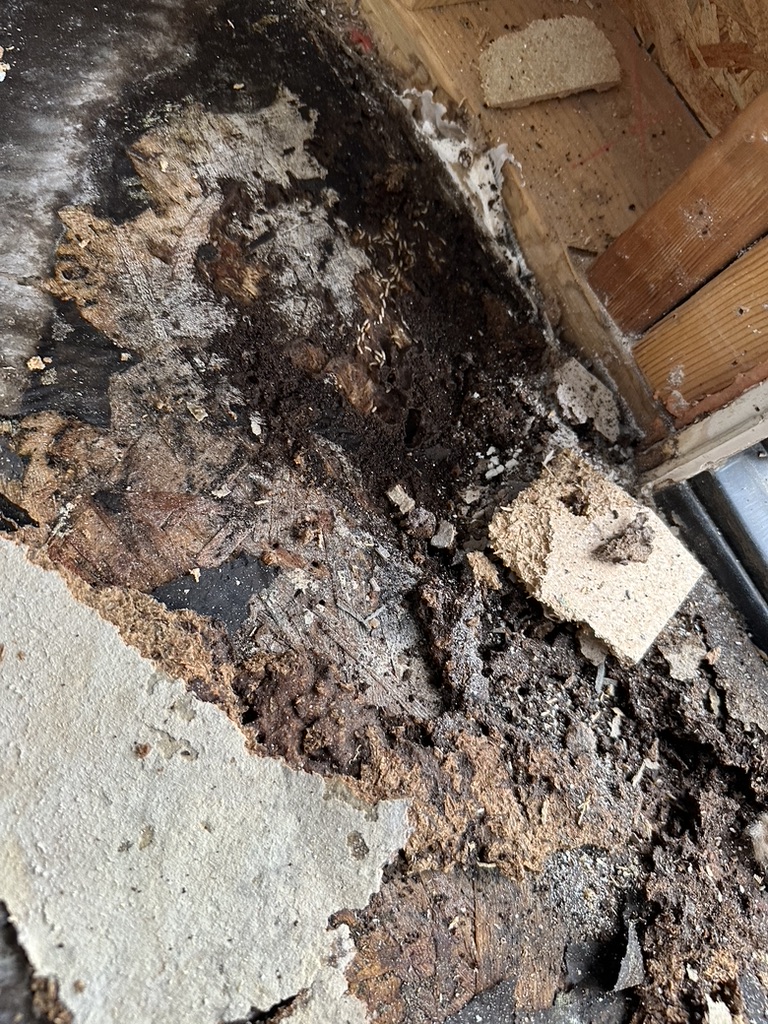
- Pipe Leaks – Dirty water brings more bacteria and unseen hazards that will promote mold and microbial growth over time.
- Roof Leaks – Often slow, these losses may go unnoticed for a long time and cause massive damage in the attic or even the room below.
- Flooding – Even clean water left unattended has a chance of causing mold problems if not taken care of.
- Poor Ventilation – low airflow promotes mold and other microbial growth. Dark areas with moisture and low air flow is the perfect breeding grown for microbial colonies.
Myth 2 – “If you can’t see it, it’s not there”
Reality
Most mold problems are unseen without a thorough inspection. Some of the most common places we find mold are:

- Behind walls – in most cases, the worst mold problem is not even seen before removing something like the base board. Mold will stay hidden behind: wall board, cabinets, bathtubs, tiles, or any other building material.
- Under Flooring – The top layer of flooring is very easy to dry, but most homes have at least 3 layers of flooring: the subfloor, an underlayment, then the flooring that you walk on. Moisture and bacteria will hide in between the layers of flooring, eat away at the material, and spread as far as it can.
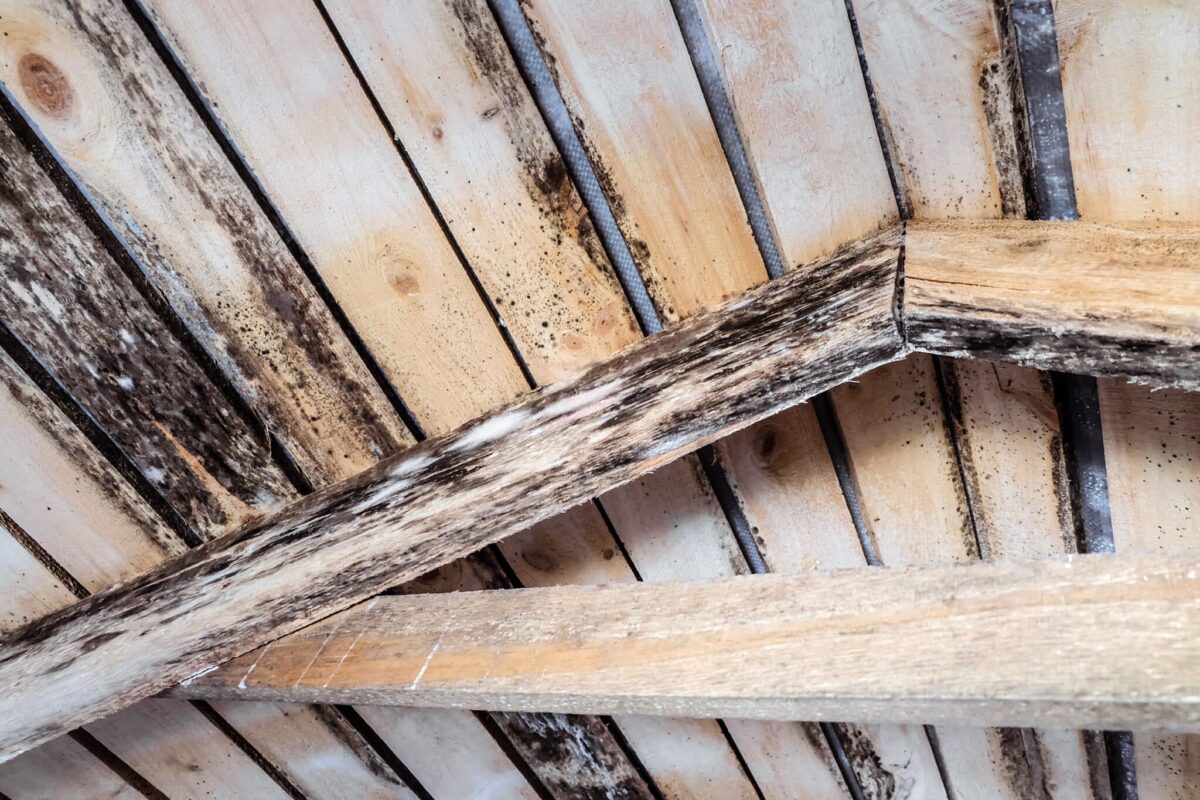
- Attic spaces – Roof leaks, poor ventilation, and water damage from the actual building process can make your attic the perfect breeding ground for mold and other bacteria.
- Crawlspaces – Broken irrigation, leaky pipes, ground water, and biblical amounts of rain can all be causes of your mold problems. Poor ventilation, improper vapor barriers can be contributing factors as well.
Here are some signs that you may have hidden mold:

- Musty smells – especially in bathrooms, basements, or places near sources of water.
- Allergy symptoms – Cough, insomnia, stuffy nose, and fatigue are some common signs to look for.
- Warped dry wall – This is a sign of old water damage or structural weakening of the material.
- Peeling paint – This is also a sign of deterioration and potential damage to the area.
- Recent water damage – Excess moisture is a key factor to mold problems and microbial growth. Any excess moisture is a potential hazard to your home.
Myth 3 – “Bleach kills mold”
Bleach can work on Non-Porous surfaces. Bleach does not have the ability to clean materials like:
- Drywall
- Wood
- Carpet
Mold will often return after the use of bleach on materials like these.
For a proper solution to your mold problem you need to:
- Fix the source of moisture – Fix the leak, add ventilation, dry the affected material.
- Containment – heavy plastic barriers cutting off the affected area from the rest of the home, and protecting unaffected rooms and belongings.
- Removal of affected materials – Sheetrock, wood pressboard, and insulation are some examples of materials that should be removed if affected.
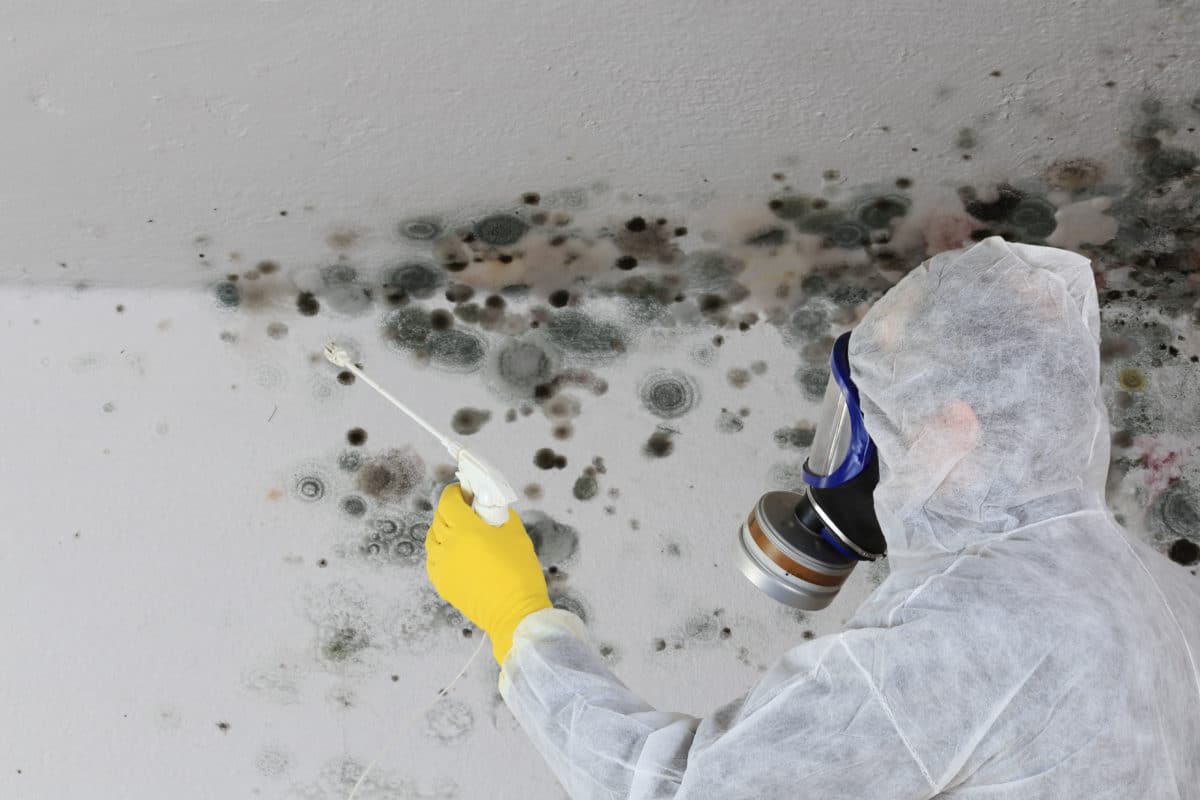
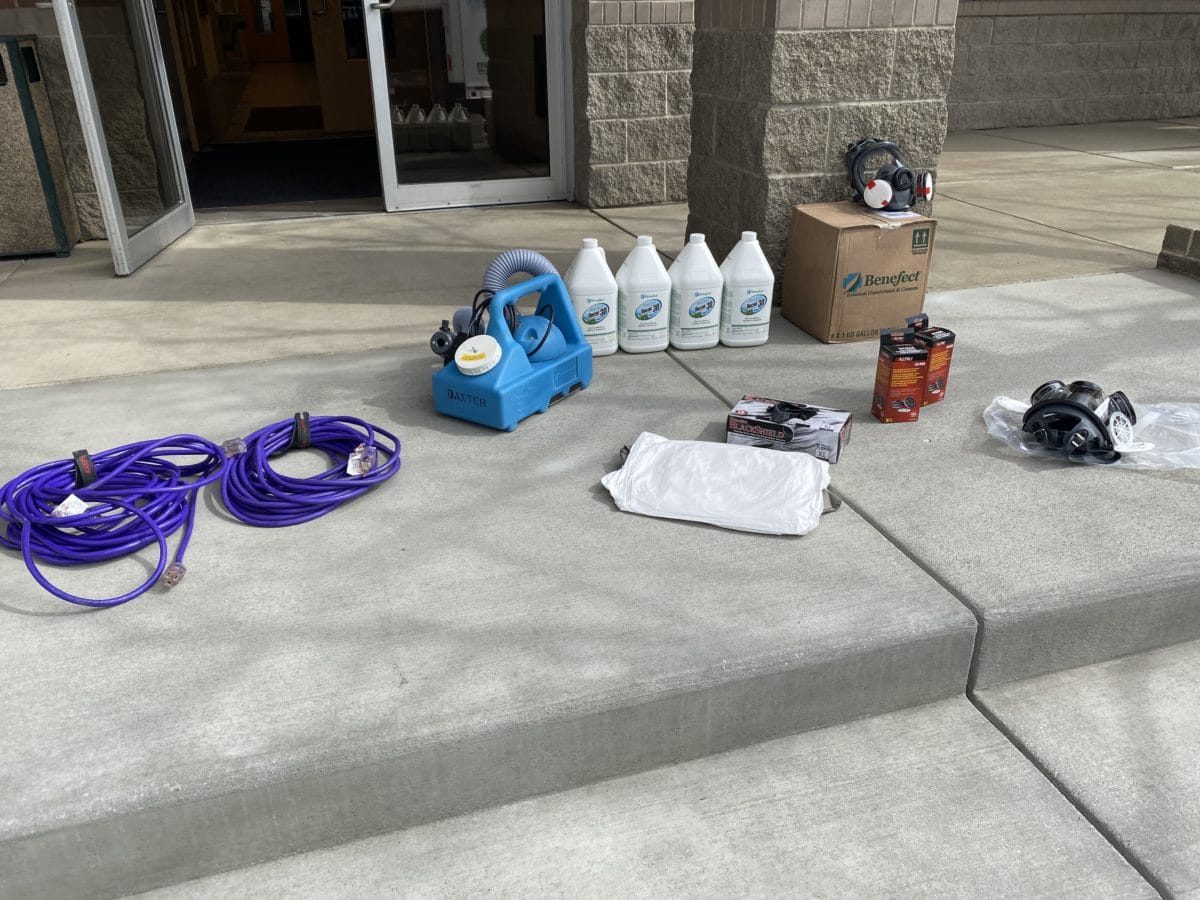
- HEPA filtration and PPE – Industrial Air Filtration devices equipped with HEPA filters should be inside and outside of the contaminated space. Respirators, Gloves, and Eye protection are the bare minimum PPE we would use in any mold remediation project.
Overall, Bleach can be a quick fix in some situations, but should not be seen as a final solution.
Seth baxter
Myth 4 – “It’s just a small piece of mold, it’s not a mold problem”
Reality
The worst of a mold problem is often unseen without an invasive inspection. In a lot of cases, when you see “a small spot” there is a much LARGER spot on the other side of the wallboard. This is due to the lack of airflow from inside the walls. On top of that, mold spreads through airborne spores. A visible colony is already spreading millions of spores ready to spread to a much larger area.
Risks of waiting
- Structural damage – Mold problems only get bigger with time. Mold eats away at whatever material it is on. If that material is a main support for the roof of your home. You could end up with a new “skylight” that you never asked for.
- Indoor air quality – More mold makes more mold. Mold spreads through the air, and we breathe air. Our bodies are amazing machines but we are not meant to have prolonged exposure to mold spores. Exposure over time, may lead to sickness and other health issues for everyone in the home.
- Exponential Remediation Cost – Mold can spread at a rapid rate. What might be a simple “sanitize and wipe” project today, could be replacing key components of the building structure in a few months. With water and mold, time is not on your side.
Myth 5 – “Mold problems only happen after a major flood”
Reality
Most mold problems that we see are from small leaks over a long period of time. People tend to notice fairly quickly when there is a huge puddle in their kitchen, but it is easy to miss the leaky pipe under the house or leaky drain under the sink.
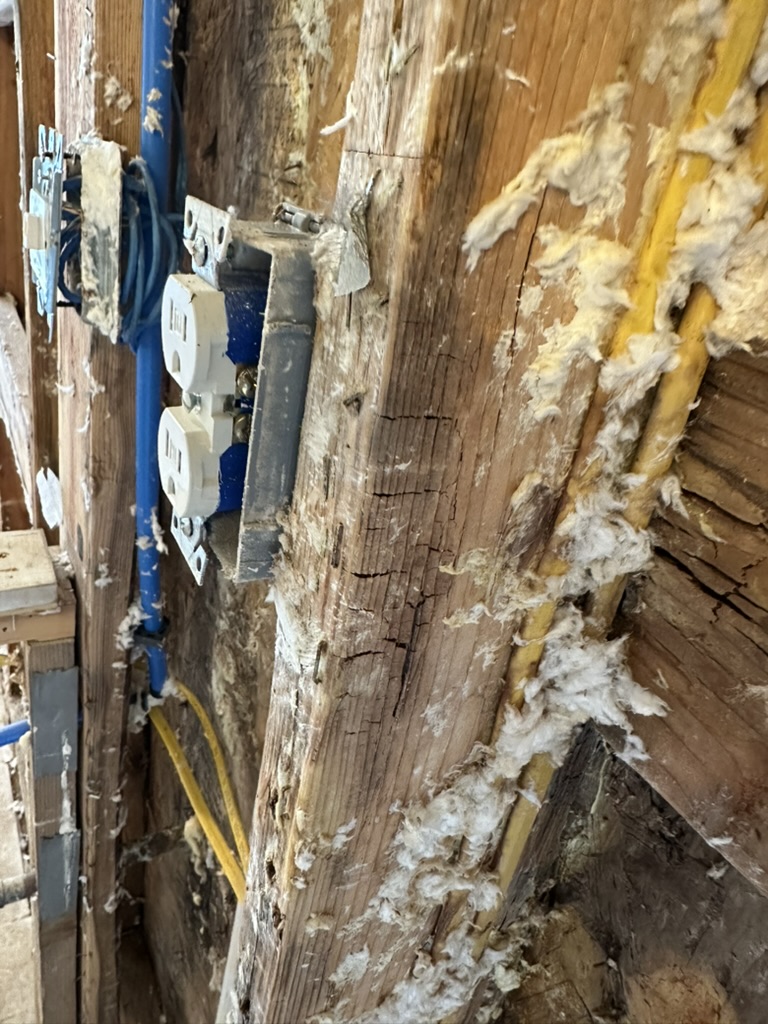
- Slow plumbing leaks – these can be extremely easy to miss if you are not looking for it. A simple drip can go for years before it is caught.
- Bathroom Humidity – Bathrooms see more humidity than any other room in the home. Showers, sinks, and toilet bowls filled with water make the risk of mold problems exponentially higher than most other rooms in the house. Without a fully functioning fan or other humidity control, mold growth is almost guaranteed.
- Poor Attic Ventilation – Slow leaks, and poor ventilation are the main causes of mold problems in the attic spaces. Leaks can be from: old and weathered roofing material, manufacturing error, installation errors, and ice damming.
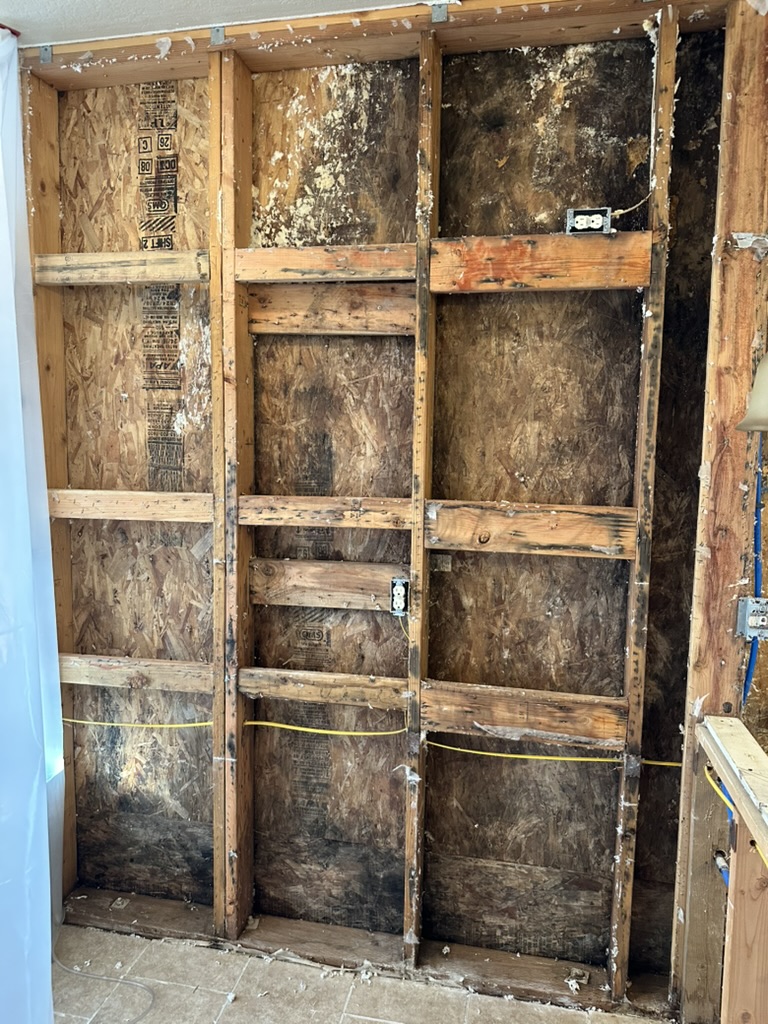
- Condensation in Winter and cold temperatures – As material cools down, it will hit a temperature that will collect condensation. Poor insulation and not closing exterior vents to the crawlspace in winter can lead to moisture collecting on wood and other material. The water soaks into the material and becomes a breeding ground for mold.
How do you prevent mold problems in your home?
5 ways to help prevent a mold problem
- Fix Leaks and plumbing issues immediately.
- Maintain proper ventilation in the home as well as the attic and crawlspace.
- Use Bathroom fans and keep them in working order through cleaning and maintenance as needed.
- Control humidity levels in the home.
- Inspect Crawlspaces and Attics.
When do you call a Mold Remediation Professional?
- If there is visible mold.
- If there has been water damage.
- If there is persistent mold/ musty smells.
- If you are experiencing health issues related to prolonged mold exposure.
What can the Professional offer?
- Identity and clearly explain the issue as well as solutions to fix it.
- Safely remove the mold and microbial growth.
- Prevent it from coming back.
Mold problems are not good problems to have. The longer you have them the worse they get. If you find mold or have reason to believe there is mold in your home. Do not hesitate, schedule a mold inspection from a licensed, bonded, and reputable company.